Laubbaum: Der stille Held unserer Wälder
When we think of impressive natural wonders, majestic mountains, vast oceans, or exotic animals often come to mind. But right on our doorstep stands a true hero that usually goes unnoticed: the deciduous tree . With its impressive diversity, its ecological importance, and its ability to give life, the deciduous tree is one of the most important components of our natural environment. It cleans the air, protects the soil, provides habitat for countless animal species, and shapes the landscapes of Europe like almost no other living being.
Despite their enormous importance, deciduous trees are often taken for granted. Yet they are far more than just trees with leaves. They are complex ecosystems, climate protectors, and silent companions of humankind for millennia. In this article, we take a comprehensive look at the fascinating world of deciduous trees and discover why they are the unsung heroes of our forests.
What is a deciduous tree?
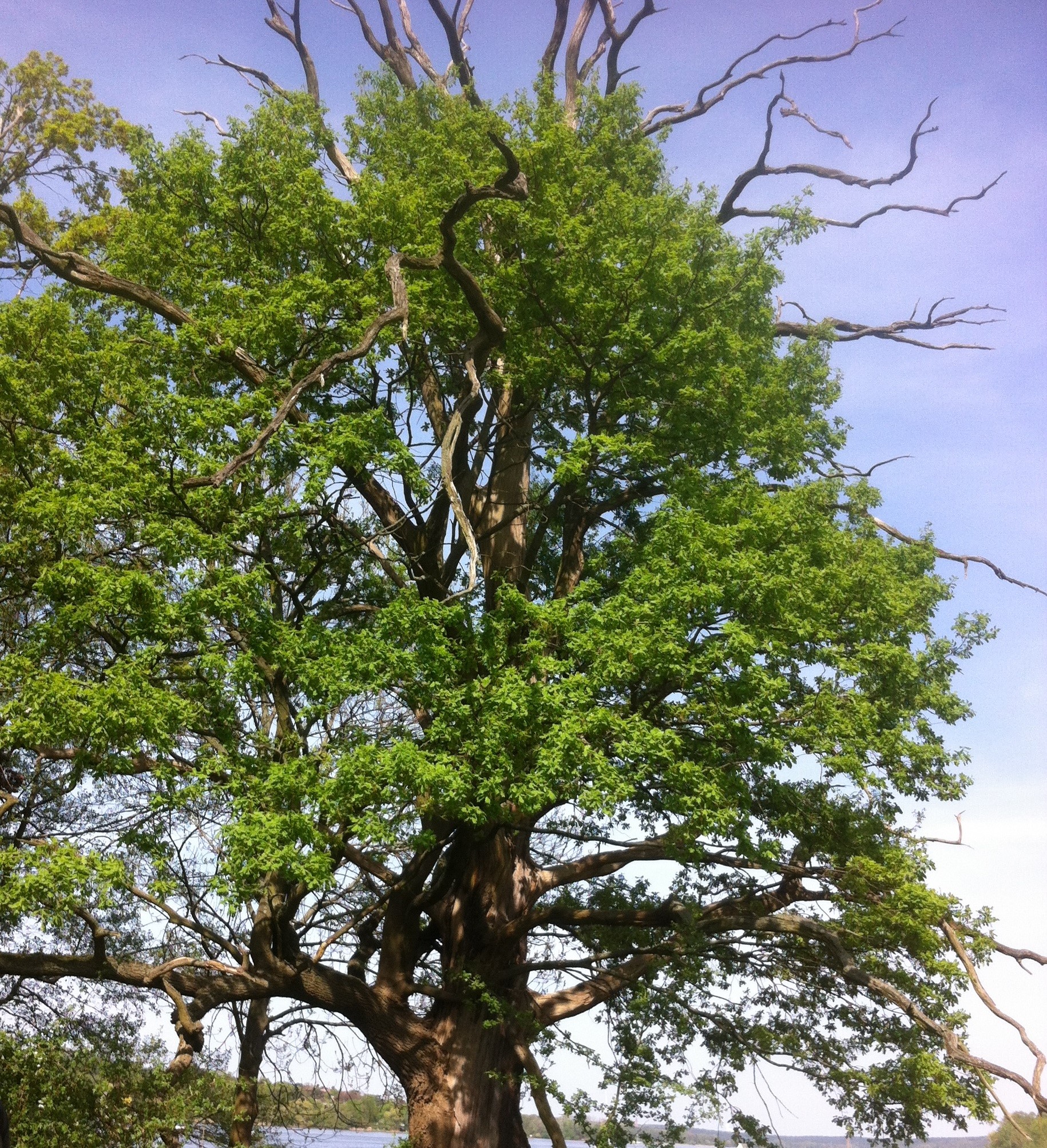
A deciduous tree is a tree that typically sheds its leaves in autumn and grows new ones in spring. This adaptation helps it survive the cold winter months and conserve water. Unlike conifers, which often retain their needles for several years, deciduous trees regularly renew their foliage.
Some of the best-known deciduous trees include:
- oak
- beech
- maple
- birch
- Ash
- chestnut
- Linden
- elm
Each of these tree species possesses unique characteristics and contributes in its own way to the stability and health of the forest.
The impressive diversity of deciduous trees
Deciduous trees are astonishingly diverse. In Europe alone, numerous species exist that inhabit a wide variety of locations. Some prefer to grow in damp areas, while others favor dry soils and sunny slopes.
The European beech, for example, is considered the dominant tree species in many Central European forests. Its dense canopies create a unique forest microclimate. The oak, on the other hand, impresses with its longevity and robustness. Some oaks can live for several hundred years and develop enormous trunks.
The maple tree delights with its characteristic leaf shape and vibrant autumn colors. The birch stands out with its white bark and is among the first tree species to colonize cleared areas after disturbances.
This diversity makes the forest more resilient to diseases, pests and climate change.
Why deciduous trees are indispensable for the climate
Climate change is one of the greatest challenges of our time. Deciduous trees play a crucial role in combating this development.
During photosynthesis, they absorb carbon dioxide from the atmosphere and store the carbon it contains in their wood, roots, and soil. At the same time, they produce oxygen, which humans and animals need to live.
A mature deciduous tree can store large amounts of carbon for decades. Entire deciduous forests therefore act as natural carbon sinks and contribute to reducing the greenhouse effect.
Furthermore, deciduous trees have a positive influence on the local climate:
- They provide shade and reduce heat.
- They increase the humidity.
- They cool their surroundings through evaporation.
- They reduce strong winds.
- They help to balance temperature differences.
Deciduous trees are becoming increasingly important, especially in cities, as they mitigate so-called heat islands and improve the quality of life.
The deciduous tree as a habitat
A single deciduous tree is far more than just a plant. It provides a home for countless organisms.
Its crown provides habitat for birds, insects, and small mammals. Woodpeckers excavate cavities in old trunks, which are later used by other animal species. Squirrels find food and shelter among the branches.
The bark of a deciduous tree is also an important habitat. Mosses, lichens, and numerous insect species colonize its surface. In the soil surrounding the tree, a complex network of fungi, microorganisms, and roots develops.
Particularly old deciduous trees are true hotspots of biodiversity. They offer niches and refuges for rare and specialized animal species that do not depend on young trees.
The fascinating interplay in the forest
Deciduous trees do not stand in isolation in the forest. They are part of a highly complex network.
Scientific studies show that trees can be interconnected via their roots and fungal networks. This underground network enables the exchange of nutrients and information.
In this way, a weakened tree can receive support from neighboring trees. At the same time, warning signals about pest infestations or other dangers can be transmitted.
This interplay illustrates that forests are not a collection of individual trees, but living communities with amazing cooperation.
The meaning of the leaves
The leaves are the hallmark of every deciduous tree. They fulfill numerous vital functions.
Photosynthesis takes place in the leaves. With the help of sunlight, carbon dioxide is converted into energy. Oxygen is produced as a byproduct.
But the leaves do even more:
- They regulate the water balance.
- They protect the tree from overheating.
- They contribute to cooling the surroundings.
- They serve as a food source for many insects.
In autumn, the leaves change color in spectacular shades of yellow, orange, and red. This change of color is one of the most impressive natural phenomena in temperate climates.
After the leaves fall, they decompose on the forest floor, forming valuable humus. This returns nutrients to the cycle.
Deciduous trees and soil protection
Healthy soils are the foundation of every functioning landscape. Deciduous trees make an important contribution to their protection.
Their roots stabilize the soil and prevent erosion from wind and water. They play a particularly important role on slopes and riverbanks.
The falling leaves also form a natural protective layer. This prevents the soil from drying out and promotes the formation of fertile humus layers.
Furthermore, the roots improve soil structure. They loosen compacted areas and allow for better water absorption.
The economic importance of deciduous trees
Besides their ecological value, deciduous trees also have great economic importance.
The wood of many deciduous tree species is considered particularly high-quality. Oak, for example, is used in furniture making, interior finishing, and barrel making. Beech wood is used in furniture, parquet flooring, and tool handles.
In addition, deciduous trees provide numerous other products:
- Fruits and nuts
- Medicinal agents
- Honey sources for bees
- Raw materials for the paper industry
Sustainable use of these resources helps to reconcile economic interests with nature conservation.
Challenges for the deciduous tree
Despite their resilience, deciduous trees face major challenges today.
Climate change is leading to longer periods of drought, higher temperatures, and more frequent extreme weather events. This puts many tree species under stress.
In addition, pests and diseases threaten numerous populations. Globalization and international trade routes facilitate the spread of new pathogens.
Land sealing, intensive agriculture and forest fragmentation also make it difficult for many deciduous tree species to survive.
This makes responsible management of our forests and sustainable forestry all the more important.
Deciduous trees in our cities
Deciduous trees are not only beneficial to forests. They also fulfill essential functions in urban areas.
Urban trees improve air quality by filtering particulate matter and absorbing pollutants. They provide shade and reduce heat stress.
Furthermore, they improve people’s well-being. Numerous studies show that green spaces can reduce stress and promote mental health.
Popular urban trees include:
- maple
- Linden
- plane
- chestnut
- Hornbeam
With increasing urbanization, the importance of these green helpers will continue to grow.
What we can do to protect deciduous trees
Everyone can contribute to the protection of deciduous trees.
Possible measures include:
- Supporting regional nature conservation projects
- Buy sustainable wood products
- Plant native tree species
- Use forests respectfully
- Promoting environmental education
- Consume resources consciously
Even small steps can make a big difference in the long run.
Letter salad – The mystery behind the chaos
Conclusion: The deciduous tree deserves our attention
Deciduous trees are far more than just an ordinary part of our landscape. They are climate protectors, habitats, soil improvers, and oxygen providers all at once. Their importance to both people and nature can hardly be overstated.
As it grows silently, provides shade, and supports generations of living beings, it fulfills tasks that are essential for the ecological balance of our planet. In a time of increasing environmental change, it becomes clear just how valuable healthy deciduous forests and strong deciduous trees truly are.
Those who want to protect nature should also protect deciduous trees. For behind every leaf, every root, and every trunk lies a silent hero, working daily for a future worth living.